


Cardiologist Medical Malpractice Insurance for Today's Practices
Cardiology encompasses a wide range of care, from diagnostic evaluation and longitudinal disease management to invasive and interventional procedures. Because malpractice exposure can vary significantly based on procedure mix, acuity, and practice setting, cardiologists often need coverage that reflects how and where care is delivered.
Docshield helps cardiologists evaluate malpractice insurance options efficiently, with clear coverage details and competitive pricing from high-quality insurers without unnecessary paperwork or prolonged timelines.
Why Cardiologist Malpractice Insurance Is Different
Cardiology spans both diagnostic decision-making and procedural care, creating a broader mix of malpractice considerations than many single-focus specialties. Like other high-risk procedural fields such as orthopedic surgery, interventional cardiology can carry elevated claim severity tied to procedural outcomes.
Insurers often consider:
- Differences between non-invasive, invasive, and interventional cardiology
- Diagnostic decision-making and interpretation of testing
- Emergency and on-call responsibilities
- Long-term patient management and outcomes
- Care delivered across hospitals, outpatient centers, and clinics
As a result, malpractice coverage for cardiologists often needs to reflect both diagnostic exposure and procedural risk, rather than relying on a one-size-fits-all approach.

Speak with a Med Mal Expert
Colleen Heuer, Account Executive
Cardiology Malpractice Risk, by the Numbers
- 58% of cardiologists report having been named in a lawsuit (Medscape 2021)
- 69% of cardiology claims close without any payment to the plaintiff (The Doctors Company, 2010–2025)
- $394,000 average indemnity paid in a closed cardiology malpractice claim (The Doctors Company, 2010–2025)
Common Reasons Cited for Lawsuits Against Cardiologists
Closed-claims research has identified the following allegation patterns:
- 36% diagnosis-related
- 36% medical treatment issues
- 13% medication-related
Myocardial infarction is the most commonly missed diagnosis in cardiology malpractice claims, and clinical judgment was cited as a contributing factor in 69% of claims (The Doctors Company, 2010–2025). This reflects the reality that cardiovascular presentations, particularly chest pain, dyspnea, and syncope, can overlap with non-cardiac conditions, and the consequences of a missed or delayed cardiac diagnosis can be severe and rapid. Cardiologists managing high-acuity patients in both inpatient and outpatient settings face diagnostic windows where timing, test selection, and clinical interpretation are closely scrutinized in hindsight.
The Biggest Challenges Cardiologists Face When Buying Malpractice Insurance
Cardiologists often encounter challenges that go beyond simple premium comparison.
Understanding Coverage Across Subspecialties
Coverage needs can differ meaningfully between general cardiology, electrophysiology, interventional cardiology, and other subspecialties. Policy language may not clearly explain how these differences affect coverage.
Navigating Claims-Made Coverage Decisions
Claims-made policies are common, but the long-term implications, particularly around tail coverage, are not always well understood at the time coverage is purchased.
Aligning Coverage With Hospital-Based Practice
Many cardiologists practice primarily in hospitals or cath labs, where credentialing requirements, call coverage, and shared liability can affect insurance needs.
Managing Hybrid Practice Models
Cardiologists who combine employed work with independent consulting or outpatient services may require coverage that extends beyond employer-provided policies.
Reducing Administrative Burden
Traditional insurance processes can be time-consuming, making it difficult for cardiologists to reassess coverage as practice structures evolve.
What Coverage Do Cardiology Practices Need?
Claims-Made vs. Occurrence Coverage
Cardiologists typically choose between two malpractice policy structures.
Occurrence vs Claims-Made Malpractice Policies
Understanding the two main types of malpractice insurance policy structures.
Coverage applies to incidents that occur during the policy period, regardless of when the claim is filed.
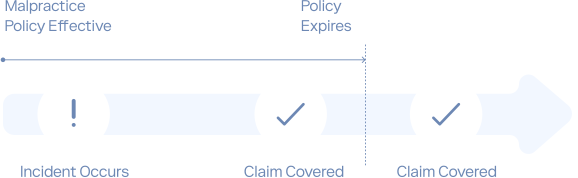
Coverage applies to claims filed during the policy period, requiring tail coverage for future claims.

- Occurrence coverage provides protection for incidents that occur during the policy period, regardless of when a claim is filed. Coverage remains in place even after the policy ends.
- Claims-made coverage applies to claims that are reported while the policy is active. This structure often has lower initial premiums but may require additional protection if coverage ends or changes.
In some cases, cardiologists may be offered claims-made plus coverage. This is a claims-made format where the tail is prepaid or built into the premium, eliminating the need to purchase a separate tail (similar to occurrence coverage). However, unlike an occurrence policy, the aggregate coverage limit does not reset each policy year. Not all carriers offer claims-made plus options, and availability can depend on subspecialty focus, employment stability, and underwriting criteria, so many cardiology practices will see a limited range of policy structures when comparing quotes.
The appropriate structure depends on career stage, employment stability, and long-term plans.
Coverage Considerations for Cardiologists
Coverage decisions may be influenced by:
- Interventional versus non-interventional cardiology, including cath lab exposure
- Diagnostic testing and interpretation, such as imaging or stress testing
- Emergency call and hospital privileges, which can affect claim exposure
- Use of advanced practice providers, requiring clear supervision definitions
- Solo, group, or employed practice models, where liability may be shared
Tail Coverage for Cardiologists
Tail coverage, also known as extended reporting coverage, allows claims to be reported after a claims-made malpractice policy has ended.
For cardiologists, tail coverage can be relevant because claims related to diagnostic decisions or procedural outcomes may arise well after care was provided (similar to surgical specialties). Delayed complications or progression of disease can extend liability exposure beyond the end of an active policy.
Tail coverage is commonly required when a cardiologist:
- Leaves a practice
- Switches malpractice insurers
- Transitions between employed and independent roles
- Retires from clinical practice
The cost and structure of tail coverage depend on prior policy terms, coverage limits, claims history, and state regulations. In some cases, selecting the appropriate policy structure earlier can reduce long-term tail exposure.
When switching insurers, a cardiologist may be offered prior-acts (nose) coverage, which preserves the original retroactive date of a claims-made policy. Because prior-acts coverage is not automatic and varies by carrier and underwriting, a licensed agent should confirm in writing whether it is included and whether tail coverage is still required to avoid a gap.
Docshield helps cardiologists understand how tail coverage and prior-acts protection fit into an overall malpractice insurance strategy as careers and practices evolve.
How Much Does Cardiologist Malpractice Insurance Cost?
Malpractice insurance costs for cardiologists vary widely based on clinical focus and practice structure.
Common cost drivers include:
- Procedure mix and level of invasiveness
- Practice setting and geographic location
- Claims history
- Coverage limits and policy structure
- Employment model and group size
Because pricing can differ significantly across insurers, benchmarking options can help place premiums in context. For a ballpark sense of cardiologist malpractice insurance premium ranges by state, visit our medical malpractice insurance state resource pages.
Recent Trends Affecting Cardiology Malpractice Insurance
Cardiology practice models continue to evolve, and malpractice coverage often needs to adapt accordingly.
- Hospital employment with supplemental coverage needs: Many cardiologists are employed by hospitals but still require individual policies to cover consulting work, moonlighting, or services outside employer-provided coverage.
- Growth of outpatient and ambulatory cardiology procedures: More diagnostic and interventional services are delivered outside traditional inpatient settings, influencing underwriting and facility-related coverage.
- Hybrid and multi-location practices: Practicing across multiple facilities or states may require coverage that reflects differing regulatory and liability environments.
- Telemedicine and remote monitoring: Virtual consultations and remote cardiac monitoring introduce jurisdictional considerations based on where patients are located.
- Use of advanced practice providers: As cardiology practices expand care teams, policies should clearly define supervision, scope of practice, and shared liability for nurse practitioners and physician assistants.
Docshield and Traditional Malpractice Brokers Compared
Many cardiologists work with traditional malpractice brokers, who provide access to insurer networks and administrative support. However, these models often rely on manual processes and limited visibility into how coverage options compare.
Docshield builds on the brokerage model by combining licensed expertise with technology, helping cardiologists review coverage options more efficiently.
Traditional brokers vs Docshield
| Feature | Docshield | Others |
|---|---|---|
| Med mal experts 100% focused on outpatient coverage | ||
| Online app in <15 minutes per physician | ||
| Committed to approaching a broad swathe of insurers | ||
| Transparent pricing, no hidden incentives | ||
| Continuous monitoring so you never overpay | ||
| Digital-first experience combined with 24/7 human support | ||
| Claims insights for your medical specialty |
How Docshield Works for Cardiology Practices
Docshield is designed to help cardiology practices move through the insurance process with greater clarity, efficiency, and ongoing support.
- Apply in minutes — Complete a short online application designed to minimize repetitive data entry.
- Compare options with a licensed expert — A licensed Docshield agent works with you to review quotes side by side, including policy structure, coverage limits, and key endorsements.
- Choose coverage without a rush — Select coverage deliberately based on fit, risk profile, and long-term plans without pressure to make immediate decisions.
- Complete your coverage stack — Manage malpractice alongside related coverage such as BOP, GL, EPLI, D&O, and other lines from a single platform.
- Keep coverage aligned and proactive — Docshield provides ongoing support through annual market reviews before renewal, updates as roles or practice settings change, and tailored risk insights for eligible practices that highlight emerging claim themes and prevention considerations.
Get Cardiologist Malpractice Insurance With Clear, Competitive Pricing
Docshield helps cardiologists evaluate malpractice insurance options efficiently, with clear coverage details and competitive pricing.
Apply online to request quotes from high-quality insurers, without unnecessary paperwork or prolonged broker interactions.
Buy Affordable Malpractice Insurance with Docshield
We've built the fastest application process in the industry so you don't have to disrupt your schedule to shop for coverage. After you select a policy, we automatically scan the market every year before renewal to ensure you're paying a fair price.
Get a Quote